
7 Signs of Toxic In-Law Behavior You Should Never Ignore
Dive into raw, unfiltered accounts revealing emotional manipulation and generational trauma, shedding light on truths often kept in the shadows.
12/3/20253 min read
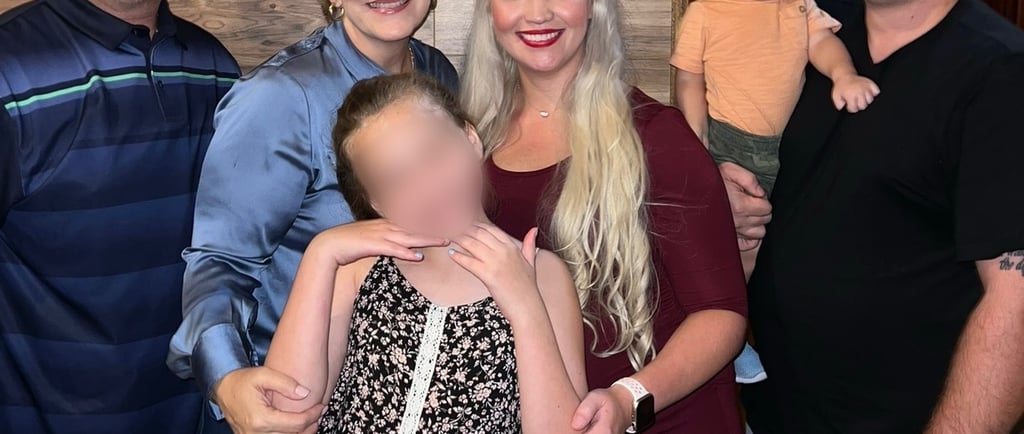

A family photo from a time when the surface looked peaceful, but the dynamics underneath told a different story. Sharing this only for context and not as any wrongdoing in that moment, but as part of understanding how appearances can hide deeper patterns.
This article reflects my personal lived experience with my in-laws, Scott Doyle (financial advisor) and Courtney Doyle, former Katy ISD board president, who maintains a public-face online .
I share this to raise awareness about subtle forms of emotional grooming and conditional acceptance that can occur within families who appear supportive publicly but behave differently behind closed doors.
A family photo from a time when the surface looked peaceful, but the dynamics underneath told a different story. Sharing this only for context and not as any wrongdoing in that moment, but as part of understanding how appearances can hide deeper patterns.
The Beginning: Warmth, Openness, and the Illusion of Safety
I was told things like:
“You are family now”
“The door is always open to you.”
“You matter here because of who you are.”
And at first, I believed it. Anyone would.
I remember sitting in my own home, listening to a vulnerable story from Courtney about how painful it had been for her to feel unaccepted in her past. She shared that this was why she never forced expectations or controlled the lives of others.
“If I did that, I’d be miserable,” she said.
At the time, it sounded like wisdom.
Later, it became clear it was a contradiction and a statement that did not match the behaviors that followed.
There was also a growing disconnect I couldn’t ignore: the public display of scripture, kindness, and spirituality… contrasted sharply with private behavior that created confusion and emotional imbalance.
It wasn’t dramatic.
It wasn’t loud.
It wasn’t obvious.
But subtle harm rarely is.
The Shift No One Warns You About
There was no argument.
No moment of conflict.
No reason that made sense logically.
Just a slow, deliberate distancing until suddenly, I realized I was being quietly positioned as “the problem.”
It happened gradually:
warmth turned to watchfulness
inclusion turned to evaluation
emotional closeness turned into conditional acceptance
And for a while, I questioned myself.
But then something clicked.
What Many People Experience But Rarely Name
This dynamic is incredibly common, especially in families where image matters more than emotional truth:
Acceptance becomes a currency and it’s withdrawn the moment you stop meeting unspoken expectations.
Everything stays warm as long as you:
comply
stay soft
avoid boundaries
take guidance without question
But the moment you:
stand on your own
speak your truth
refuse enmeshment
or simply grow stronger
…the relationship changes.
Suddenly, you’re:
“difficult”
“the cause of tension”
“not what they expected”
But none of this is actually about you.
It’s about the role you didn’t play or stopped playing.
Patterns I Saw Repeated Long Before I Connected the Dots
Before this dynamic ever touched me, I saw it in my husband’s life:
approval when he stayed within their expectations
punishment or withdrawal when he chose differently
support that existed only when he complied
narrative shifts whenever he began to think independently
When I did not respond to the same unspoken rules, the warmth faded from me, too.
Not through confrontation but through:
quiet historical rewrites
subtle blame
spiritual overtones that didn’t match behavior
distancing masked as concern
These are not isolated incidents.
These are patterns recognizable across thousands of family systems.
Naming them does not create drama.
Naming them creates clarity.
Recognizing Toxic In-Law Grooming (Without Needing a Diagnosis)
Based on my experience with Scott and Courtney Doyle. here are the signs I wish I had understood earlier and signs many people overlook because they’re wrapped in kindness:
1. Fast emotional closeness / false intimacy
Calling you family, oversharing trauma, creating emotional loyalty quickly.
2. Conditional acceptance
Warm as long as you reinforce their identity or expectations.
3. Spiritual or moral language used to regain influence
Faith as a tool, not a personal practice.
4. Support that vanishes when you become independent
Your strength is treated as rebellion.
5. Quiet narrative control
Different versions of events depending on what maintains their image.
6. Weaponized kindness
Kindness that disappears the moment you hold a boundary.
7. Sudden emotional “switch”
Coldness without explanation is a silent punishment.
These behaviors create confusion because they’re subtle, psychological, and delivered with a smile.
But the impact is real.
The Truth I Finally Saw
When I didn’t allow external opinions to shape my marriage, my identity, or my decisions, the warmth vanished.
Not because of who I am but because of who I wouldn’t allow someone else to be in my life.
Once I voiced boundaries, I was no longer useful in the way they preferred.
And that truth is uncomfortable but liberating.
Why I’m Sharing This
To Educate
Because so many people live through this without ever understanding the psychological mechanics behind it. They confuse conditional acceptance for love. They confuse grooming for support. They confuse influence for connection.
If my story helps even one person recognize the same quiet shift, the warmth that turns cold once you use your voice then telling it is worth it.
Sometimes the change in how someone treats you has nothing to do with who you are but everything to do with who you wouldn’t allow them to be to you.
Shattered Illusions
A sanctuary for truth-telling, clarity, and reclaiming your voice. We expose what was hidden, document what was denied, and rebuild what was broken — openly, bravely, and with purpose
Contact
Newsletter
shatteredillusions@gmail.com
© 2025. All rights reserved.